

At a glance
- Paperwork
- Signed title, odometer disclosure, bill of sale, and a lien release if you had a loan
- Safest payment
- Cash or a cashier's check verified at the bank, before you sign the title
- Photos
- 12 shots: 6 outside, 5 inside and the engine bay
- After the sale
- Report the sale to your state, then deal with the plates and insurance
On this page
- How to sell a car privately, step by step
- How much is my car worth? Price it to sell
- How to get your car ready to sell
- What photos do you need to sell a car?
- How to write a car listing that gets replies
- Where should you list your car for sale?
- How do you protect yourself when selling a car privately?
- How to keep a test drive safe
- What's the safest way to get paid when you sell a car privately?
- What paperwork do I need to sell my car privately?
- How to sell a car in your state
- What to do after you sell your car
- Common questions
- Sources
How to sell a car privately, step by step
The best way to sell a car privately is to do ten things in order. They work whether you're selling a two-year-old SUV or a 20-year-old commuter car:
- Price it from real listings near you, not one pricing guide.
- Clean it inside and out, and clear your personal data from it.
- Shoot 12 photos in soft light against a plain background.
- Write the listing with the details buyers filter by.
- List it where local buyers look, in two or three places at once.
- Screen buyers by phone before you meet anyone.
- Keep test drives safe: daylight, a public place, and you ride along.
- Get paid in a way you can verify before you sign anything.
- Do the paperwork: title, odometer disclosure, bill of sale.
- Close it out: report the sale, deal with the plates, then cancel insurance.
A private sale takes more work than a trade-in, but the FTC notes you might get more for the car than a dealer says it's worth. Paperwork rules differ by state, so this guide uses real examples from state DMVs. Find your own state in the state list on this page.
How much is my car worth? Price it to sell
Start with three numbers, then pick a price between them:
- A pricing guide. Look up the private party value on Kelley Blue Book or Edmunds. Enter the exact trim, options and mileage, and rate the condition honestly.
- Live listings. Search Facebook Marketplace, Craigslist and the big car sites for the same year, model and trim within an hour's drive. Compare mileage and condition, and note how long each one has been listed.
- An instant offer. Get a cash offer from a dealer or an online car buyer. That's your floor. A private sale should beat it, or it isn't worth the extra work.
List a little above the price you'd actually take, so there's room to negotiate. If you'd take $14,000, list at $14,900, not $15,500. A price close to the market gets you more calls than a hopeful one.
Before you list, gather what buyers will ask about: the title (or your loan payoff details), every key, the owner's manual and service records. Check your VIN for open recalls with NHTSA's recall lookup. Our free VIN decoder also confirms the exact trim. A dealer for your brand fixes safety recalls for free, and a car with no open recalls is one less thing for a buyer to worry about.
How to get your car ready to sell
A clean car photographs better, shows better and tells buyers it was cared for. You don't need a professional detail. Do this:
- Wash and dry it, including the wheels, door jambs and glass inside and out.
- Vacuum and wipe the carpets, seats, trunk, dash and screens.
- Take out everything personal: glovebox papers, chargers, the toll tag, the garage remote, seat covers, air fresheners.
- Clear your data. Delete paired phones from Bluetooth, clear saved addresses from the navigation, and remove the car from any connected-car app.
- Fix the cheap things: a burned-out bulb, worn wiper blades, low fluids. Skip big repairs unless they'd stop the sale, and price the car for its condition instead.
- Find every key. Buyers will ask how many come with the car.
If the check engine light is on, get the code read so you can tell buyers what it means. Their mechanic will find it anyway.
What photos do you need to sell a car?
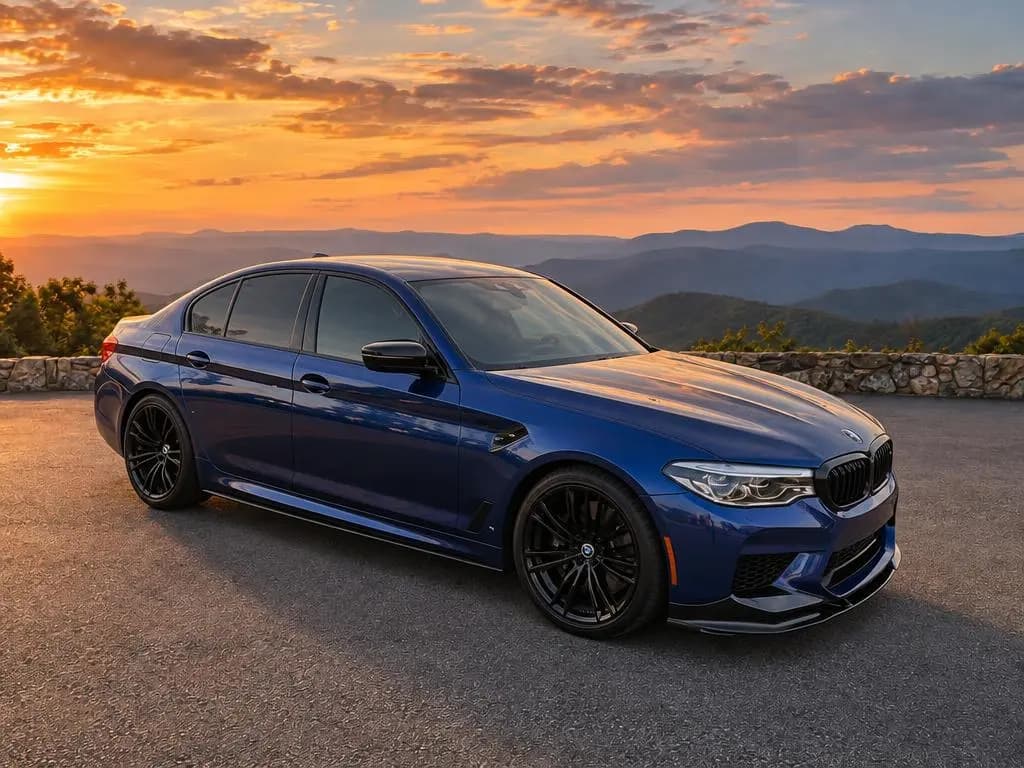
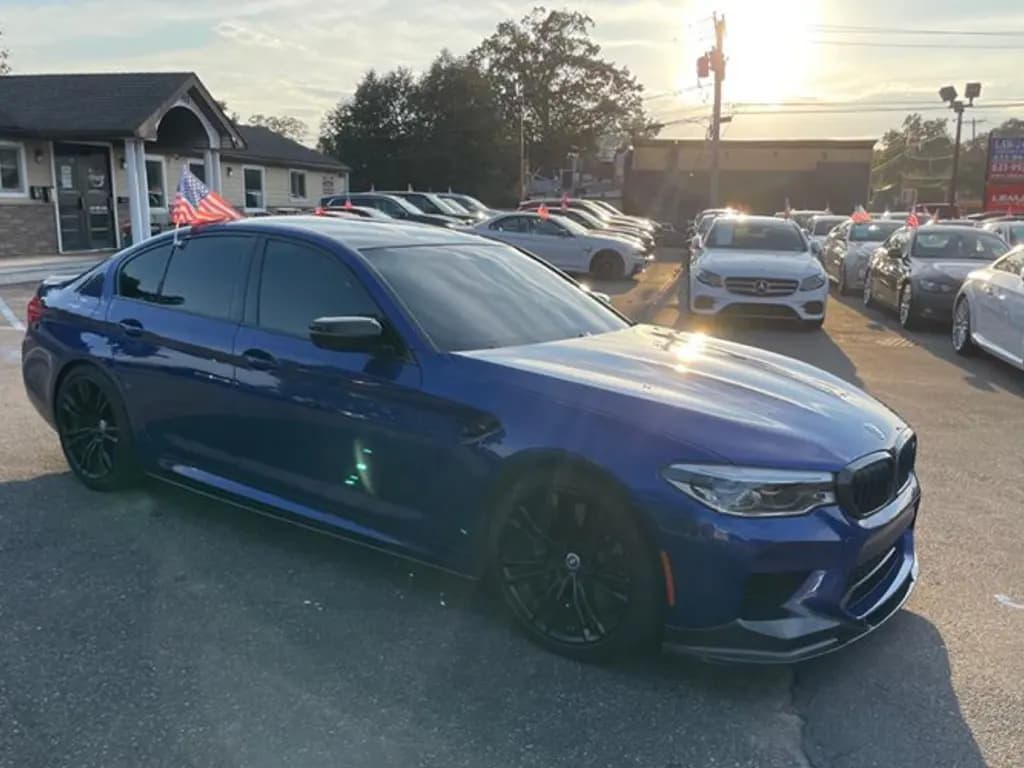
Your first photo is what buyers see in search results, so it decides whether they click. Shoot in open shade or on an overcast day, park against a plain background, hold your phone sideways at about headlight height, and take the 12 shots every buyer looks for:
- Front three-quarter view, driver's side (your cover photo)
- Front, straight on
- Driver's side profile
- Rear three-quarter view, passenger side
- Rear, straight on
- Passenger side profile
- Dashboard, shot from the back seat
- Gauges with the engine running, so the mileage shows and no warning lights are lit
- Driver's seat, through the open door
- Back seat
- Trunk or cargo area, empty
- Engine bay
Then add close-ups of anything a buyer will ask about: tire tread, scratches and dents, the keys. Our guide on how to take pictures of a car to sell covers the phone settings, light and framing for each shot. If you'd rather not post your license plate, blur or cover it.
How to write a car listing that gets replies
Buyers skim. Put the facts they filter by first, and answer the obvious questions before they ask:
- Headline: year, make, model and trim, plus one detail that matters, like "2017 Honda CR-V EX AWD, 68,000 miles, one owner".
- Price and terms: the price, whether it's firm, and how you'll take payment.
- Title status: a clean title in your name, or a loan you'll pay off at the sale.
- History: how long you've owned it and recent maintenance with dates, like new tires or brakes.
- Known problems: what's wrong and, if you know, what it costs to fix. It saves you showing the car to buyers who'll walk away.
- What's included: keys, floor mats, roof rack, records.
- Why you're selling: one line. Buyers ask anyway.
End with when you're free to show the car. Keep your home address out of the listing, and share a meeting place only after a buyer has called you.
Where should you list your car for sale?
List in two or three places at once, with the same photos, price and description everywhere.
| Where | Good for | Watch out for |
|---|---|---|
| Facebook Marketplace | Fast local reach and quick replies | Lowball offers and scam messages. See how to sell a car on Facebook Marketplace |
| Craigslist | Local buyers searching by make and price | Scam emails and texts. Check whether your area charges to post |
| Car sites such as Autotrader, Cars.com and CarGurus | Buyers shopping for an exact model over a wider area | Some charge for private listings. Compare what you get before you pay |
| Owners' clubs and forums | Enthusiast, classic and specialty cars | A smaller audience that asks detailed questions |
| A sign in the window | Neighbors and commuters who pass the car every day | Only reaches people who see it. Make one with our free car for sale sign maker. |
| Instant cash offers from dealers and online buyers | Speed: no strangers, no test drives, and the dealer handles most of the paperwork | You give up some money for the convenience |
How do you protect yourself when selling a car privately?
Three habits protect you: talk by phone before you meet, meet in person in a public place, and verify payment at a bank. Red flags that should end the conversation:
- The buyer wants the car sight unseen, or is out of town and sending a mover or shipper to collect it.
- They offer more than your asking price, or send a check for more and ask you to send back the difference.
- They ask you to read back a verification code sent to your phone. Meta lists code requests among the scams it sees on Marketplace.
- They want you to buy a vehicle history report from a site they pick. Real buyers run their own.
- They push to move to text or email right away, or rush you to decide today.
On the phone, ask what they're looking for and how they plan to pay. Serious buyers answer easily. Share the meeting spot only after the call, and tell a friend where you'll be and when.
How to keep a test drive safe
A test drive means handing your car to a stranger. Set the terms before they arrive:
Meet in public, in daylight
Pick a busy parking lot rather than your home. Some police departments set aside safe exchange spots, so call yours and ask.
Check their license
Ask to see the buyer's driver's license and take a photo of it before they drive. No license, no test drive.
Ride along
Never let a stranger drive off alone. Bring a friend if you can, and leave the spare key at home.
Plan the route
Pick a loop of 10 to 15 minutes with city streets and a stretch of highway, and agree on it before you start.
Allow an inspection
A serious buyer may want a mechanic to look at the car. Agree on a shop you can check out, and go with the car. The buyer normally pays for it.
What's the safest way to get paid when you sell a car privately?
Don't sign the title or hand over the keys until the money is in your hand or showing as available in your account. Here's how to handle each kind of payment:
| Payment | How to do it safely |
|---|---|
| Cash | Meet at your bank. Have the teller count it and deposit it, then sign the title. |
| Cashier's check | Go with the buyer to their bank and watch the teller issue it. If you can't, call the issuing bank at a number from its official website, not the one printed on the check. |
| Bank transfer or wire | Wait until the money shows as received in your own account. A screenshot from the buyer proves nothing. |
| Payment app | Check your app's limits first, then confirm the money in your own app. Ignore emails saying you must upgrade your account or pay a fee to receive it. |
| Personal check | Avoid it. It can bounce after the buyer has the car and the title. |
The FTC warns that banks have to make deposited funds available quickly, but it can take weeks to discover a check is fake, and by then you'd owe the bank the money. Read the FTC's guide to fake check scams. If a buyer insists on an escrow service, pick and check it yourself, and never use one the buyer links you to.
What paperwork do I need to sell my car privately?
Every state wants the title signed over to the buyer. The rest depends on where you live:
- Certificate of title. Sign in the seller section exactly as your name is printed on the front. If two owners are joined by "and", both sign. Use blue or black ink and don't cross anything out: New York's DMV, for one, won't accept a title with cross-outs or erasures. Fill in the buyer's name before you hand it over. Georgia makes it a misdemeanor to hand over a title with the buyer's name left blank. Our guide on how to transfer a car title walks through it.
- Odometer disclosure. Federal rules require one when a car from model year 2011 or newer changes hands, until the car is 20 years old. Model year 2010 and older cars are now exempt. It usually goes on the title. If yours has no room for it, check for your state's own form: California uses REG 262, for example. Our free odometer disclosure statement generator shows what the disclosure has to say.
- Bill of sale. Some states require one, like New York (form MV-912) and Connecticut. Others need one only in certain cases. Even where it's optional, it's your record of the price, the date and the "as is" terms. Make one with our free bill of sale generator.
- Lien release. If you still have a loan, the lender has to release its lien before the buyer can title the car. See how to sell a car with a loan.
- Emissions paperwork. California sellers give the buyer a smog certificate from the last 90 days unless the car is exempt or less than four years old. In Colorado, if the car is more than 7 model years old and the buyer lives in an emissions area, you give the buyer a new passing emissions certificate.
Here's how the paperwork works in eight states:
| State | Bill of sale | Signing the title | After the sale |
|---|---|---|---|
| California | Not needed when the title shows the price. REG 135 is the DMV's form | Line 1 of the title. The mileage goes on the front | File a Notice of Transfer and Release of Liability within 5 days. Plates stay with the car |
| Florida | Needed when the title is open or the price was changed (HSMV 82050) | Transfer of Title by Seller section on the front. No notary needed | File a Notice of Sale within 30 days. You keep the plate |
| Georgia | The DOR says to complete Form T-7 with the buyer | Back of the title, under Seller, with the buyer's name filled in | Keep your plate and cancel your registration, online or with Form MV-18J |
| New York | Required: form MV-912 signed by both of you, plus form DTF-802 | Transfer by Owner section on the back. No notary needed | Remove the plates, then transfer them or surrender them with form PD-7 |
| North Carolina | Not on NCDMV's document list for private sales | Back of the title, signed in front of a notary | Remove the plate, then transfer it or surrender it before you cancel insurance |
| Oregon | Sign the title or a bill of sale (form 735-501) | Back of the title | Notify DMV of the sale within 10 days on DMV2U or form 735-6890 |
| Texas | Not required. Sign Form 130-U showing the price instead | Assignment on the back of the title. No notary needed | File a Vehicle Transfer Notification within 30 days. Removing the plates is your choice |
| Virginia | The price you write on the title counts as the bill of sale | Section A on the front of the title | Remove the plates and report the sale to DMV online, in person or by phone |
From each state's DMV or revenue department, checked October 2026. This is general information, not legal advice. Find your state in the state list on this page for its full rules and a bill of sale set up for it.
How to sell a car in your state
Each state guide covers whether you need a bill of sale, what goes on it, the steps to sell a car there and what to do with the plates.
All 51 state guides
- How to sell a car in Alabama
- How to sell a car in Alaska
- How to sell a car in Arizona
- How to sell a car in Arkansas
- How to sell a car in California
- How to sell a car in Colorado
- How to sell a car in Connecticut
- How to sell a car in Delaware
- How to sell a car in District of Columbia
- How to sell a car in Florida
- How to sell a car in Georgia
- How to sell a car in Hawaii
- How to sell a car in Idaho
- How to sell a car in Illinois
- How to sell a car in Indiana
- How to sell a car in Iowa
- How to sell a car in Kansas
- How to sell a car in Kentucky
- How to sell a car in Louisiana
- How to sell a car in Maine
- How to sell a car in Maryland
- How to sell a car in Massachusetts
- How to sell a car in Michigan
- How to sell a car in Minnesota
- How to sell a car in Mississippi
- How to sell a car in Missouri
- How to sell a car in Montana
- How to sell a car in Nebraska
- How to sell a car in Nevada
- How to sell a car in New Hampshire
- How to sell a car in New Jersey
- How to sell a car in New Mexico
- How to sell a car in New York
- How to sell a car in North Carolina
- How to sell a car in North Dakota
- How to sell a car in Ohio
- How to sell a car in Oklahoma
- How to sell a car in Oregon
- How to sell a car in Pennsylvania
- How to sell a car in Rhode Island
- How to sell a car in South Carolina
- How to sell a car in South Dakota
- How to sell a car in Tennessee
- How to sell a car in Texas
- How to sell a car in Utah
- How to sell a car in Vermont
- How to sell a car in Virginia
- How to sell a car in Washington
- How to sell a car in West Virginia
- How to sell a car in Wisconsin
- How to sell a car in Wyoming
What to do after you sell your car
The buyer drives away, but you're not done. Do these the same day if you can:
- Report the sale. File your state's notice of sale or release of liability. California gives you 5 days; Florida and Texas give you 30. Texas says filing keeps you from being held responsible for the buyer's parking tickets and tolls.
- Deal with the plates. In Florida, New York and Virginia, they come off the car and stay with you to transfer or turn in. Georgia sellers keep their plates too, while in California they stay with the car.
- Cancel insurance last. New York and North Carolina say to surrender the plates before you cancel liability insurance. Georgia says to cancel the registration first, and Connecticut says to keep your insurance until the registration is canceled.
- Ask about a refund. Virginia gives a partial refund when you return plates with six or more months left on the registration, and Connecticut has a refund form (F-82) for eligible registrations.
- Keep copies. Photograph the signed title front and back. Keep the bill of sale, your notice of sale confirmation, and the buyer's name, address and phone number.
- Cancel the extras: toll tag, satellite radio, roadside plan and connected-car app. Then mark your listings as sold.